
Asking a sex worker ‘how are you?’ feels like offering a tissue when someone’s house is on fire. It’s kind, maybe even well-meaning - but it doesn’t fix anything. If you care about someone in this line of work, you don’t need to ask how they’re doing. You need to ask: what do you need? And then listen - really listen - without trying to fix it, save them, or make it about your feelings.
Some people turn to siti escort affidabili because they value discretion, safety, and professionalism. That’s not a fantasy. It’s a real service model built on boundaries and mutual respect. The same principles apply when supporting someone who does this work. You don’t romanticize it. You don’t pity it. You meet it where it is: human, complex, and often survival-driven.
Stop treating sex work like a tragedy
Too often, people assume every sex worker is trapped, abused, or broken. That’s not just wrong - it’s harmful. It strips people of agency and ignores the thousands who choose this work for control, flexibility, or income. Some are students. Some are single parents. Some are artists who need to pay rent between gigs. Reducing them to victims doesn’t help. It silences them.
Real support means believing them when they say they’re okay. Or when they say they’re not. It means not pushing your agenda of ‘rescue’ or ‘exit strategies’ unless they ask. You wouldn’t tell a nurse to quit because hospitals are stressful. Don’t do it to someone doing sex work.
Support looks like action, not sympathy
Here’s what actual support looks like:
- Donating to organizations run by current or former sex workers - not charities that speak for them
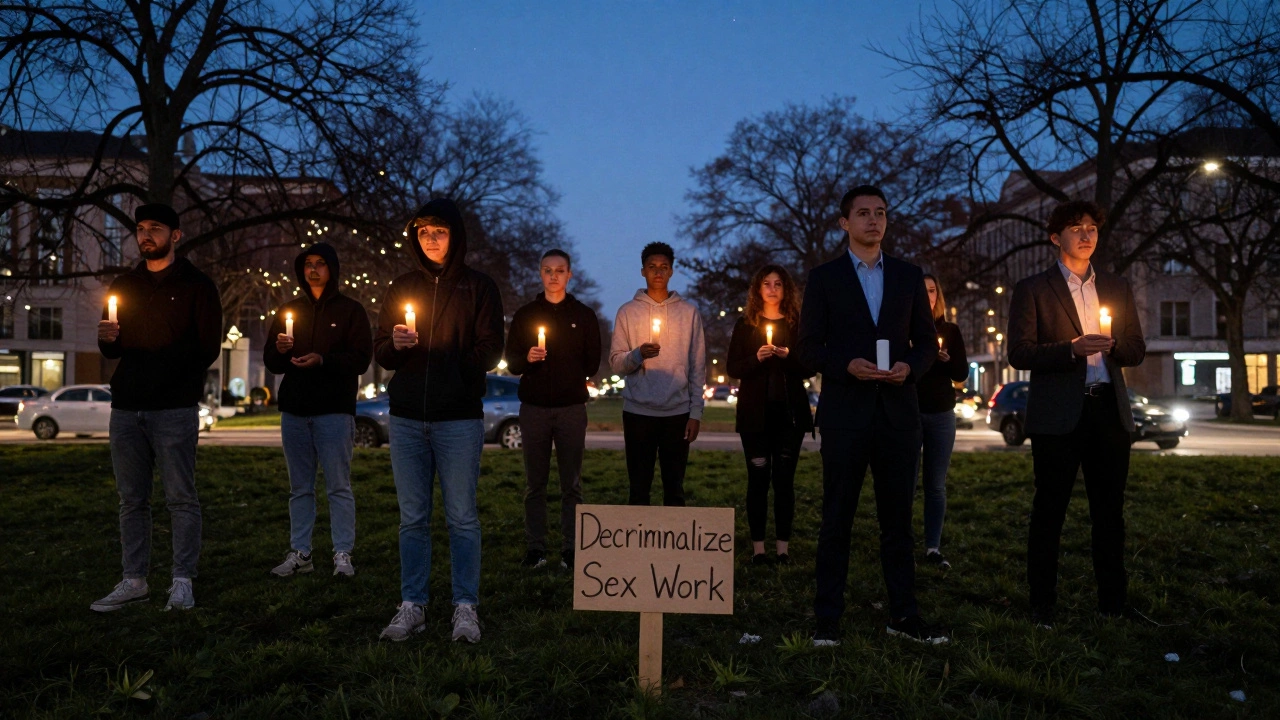
- Using your voice to push for decriminalization, not legalization
- Refusing to repeat myths like ‘all sex workers are exploited’
- Sharing resources: legal aid, mental health services, safety apps
- Not outing them or sharing their stories without permission
Support isn’t a hashtag. It’s not a heartfelt Instagram post. It’s showing up when no one’s watching. It’s showing up even when it’s uncomfortable.
Don’t romanticize the work - respect the person
Some people confuse admiration with support. They say things like, ‘I admire your courage,’ or ‘You’re so brave.’ That’s not support. That’s performance. It turns someone’s livelihood into a motivational poster.
Instead, treat them like you would any other person with a job. Ask about their weekend. Compliment their outfit. Talk about the new movie. Let them be more than their work. That’s the quietest, most powerful form of dignity.
And if they mention they’re taking a break, or switching to something else - don’t react like you just won the lottery. Don’t say, ‘I knew you’d get out!’ That’s not encouragement. That’s erasure.

Recognize the difference between safety and surveillance
Many sex workers are told to ‘be safe’ - but no one asks what safety actually means to them. For some, it’s screening clients. For others, it’s working with a trusted peer. For some, it’s having a panic button app. For others, it’s knowing they can call a friend without judgment.
Don’t push your version of safety. Don’t insist they use an app you read about. Don’t demand they share locations. That’s not protection - that’s control.
Ask: ‘What would make you feel safer?’ Then shut up and let them answer. Even if it’s something you don’t understand. Even if it’s something you disagree with.
Sex work isn’t a trend - it’s a reality
There’s a growing market for
And then there’s
None of this makes sex work glamorous. But it does make it real. And real things deserve real respect, not moral panic or performative allyship.
What if you’re the one doing the work?
If you’re reading this because you’re a sex worker - thank you. For surviving. For showing up. For setting boundaries. For saying no when you needed to. For saying yes when you wanted to.
You don’t need saving. You don’t need pity. You don’t need to justify your choices to strangers online or in your family. You’re not a statistic. You’re not a cautionary tale. You’re just you - trying to live, earn, and exist on your own terms.
If you need help - find people who’ve been there. Not the ones with degrees and TED Talks. Find the ones who still do this work, who know the back alleys and the safe apps and the quiet corners where people can breathe.
It’s not about fixing - it’s about holding space
Support isn’t about changing someone’s life. It’s about letting them live it. Without conditions. Without judgment. Without you trying to be their hero.
When someone tells you they’re working tonight - don’t say, ‘Be careful.’ Say, ‘I’m here if you need anything.’ Then mean it. And follow through.
That’s the only way this works. Not with questions. Not with prayers. Not with pity. But with presence.